
Get sui defi 2026 right
Before deploying capital into DeFi Primitives on Sui, verify your setup. The Move-based architecture offers speed, but it requires specific tooling and security hygiene to avoid common pitfalls.
Check Your Wallet Compatibility
Ensure your wallet supports Sui’s unique object model and Move compatibility. Wallets like Ethos, Sui Wallet, and Nightly must be updated to the latest version. Older versions may fail to parse complex DeFi primitives or sign transactions correctly.
Verify Network and RPC Access
Confirm you are connected to the correct Sui network (Mainnet, Testnet, or Devnet). Use the official RPC endpoints from sui.io to ensure data accuracy. Third-party RPCs may lag or provide incorrect state data for yield calculations.
Review Token Approvals
Sui DeFi often uses object-based approvals rather than simple ERC-20 allowances. Review your token object permissions before interacting with yield farms. Unapproved objects may lead to failed transactions or unexpected lock-ups.
Understand Move Security
Familiarize yourself with Move’s safety guarantees. Unlike EVM chains, Move prevents reentrancy attacks by design, but improper object handling can still lead to losses. Always test small amounts on Testnet before committing significant capital on Mainnet.
Work through the steps
Deploying DeFi primitives on Sui requires understanding Move’s object model. Unlike EVM chains that rely on account-based logic, Sui uses object-centric programming. This difference changes how you structure liquidity, manage ownership, and handle gas. The following steps guide you through building a basic yield primitive.

Install the Sui CLI and initialize a new Move package. Use sui move new to create the project structure. Ensure you are using the latest Move compiler version to support Sui’s specific object capabilities. This environment is the foundation for all subsequent steps.

Move treats assets as objects with unique IDs. Define a struct for your yield-bearing token. Use the key and store capabilities to allow the object to exist in storage and be transferred. This ensures the token can be held in wallets and used in other smart contracts.
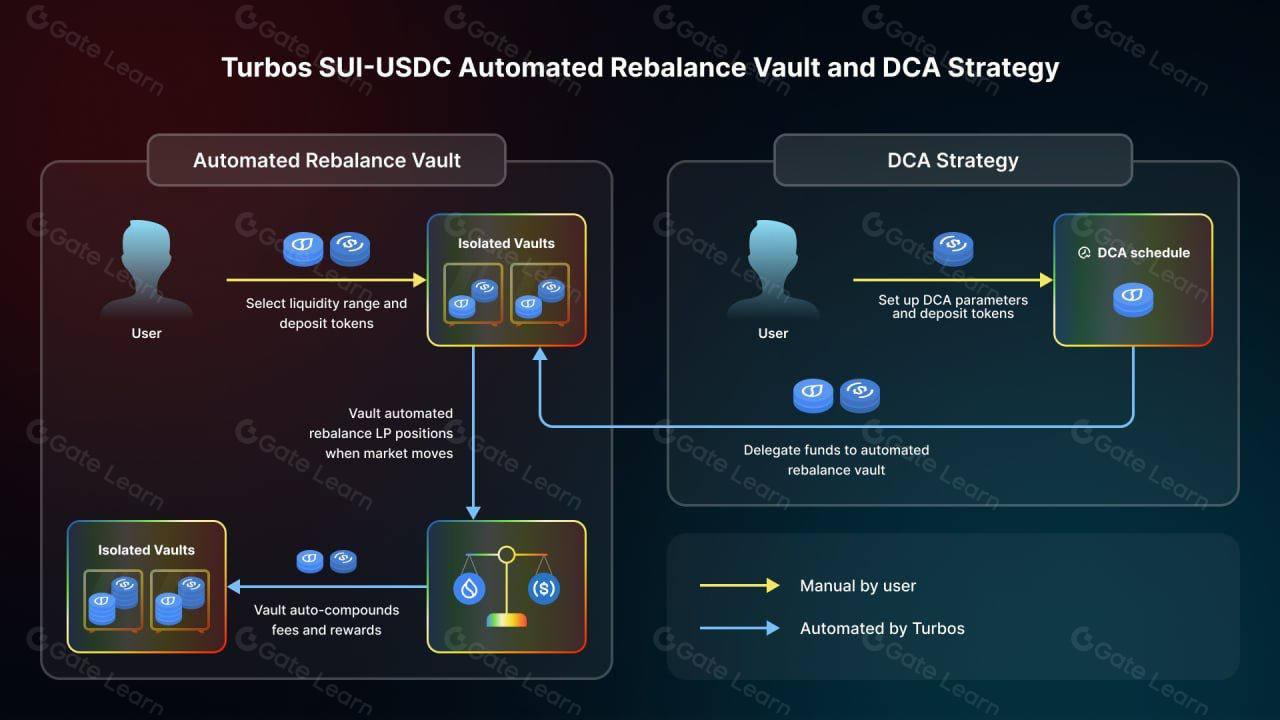
Create a function that calculates yield based on time elapsed. Use Sui’s clock object to track timestamps. When a user withdraws, calculate the difference between the current time and the deposit time. Apply your interest rate formula to determine the new balance. This logic must be atomic to prevent race conditions.
Define how users can deposit and withdraw. Use the transfer module to send the new yield-bearing object to the user. Ensure you destroy or update the original deposit object to prevent double-spending. This step is critical for maintaining the integrity of the pool’s total value locked.
Write unit tests in Rust to verify your yield calculations. Test edge cases like zero-time deposits and large withdrawals. Once tests pass, publish the package to the Sui testnet. Use sui client publish to deploy. Verify the object IDs and transaction hashes on the explorer.
-
Verify Move compiler version matches Sui network
-
Test yield calculation with zero time
-
Confirm object ownership transfers correctly
-
Publish to testnet and verify on explorer
Proof checks
After deployment, verify the contract works as intended. Check the transaction history on the Sui Explorer. Ensure the yield is calculated correctly for a sample deposit. Monitor the gas costs for the deposit and withdrawal functions. High gas costs can make small yields uneconomical.
No comments yet. Be the first to share your thoughts!