
Why Sui DeFi 2026 matters now
The narrative around Sui DeFi 2026 has shifted from speculative hype to structural maturity. As the ecosystem moves past its initial launch phase, the focus has turned to the robustness of its underlying infrastructure. The Move programming language, originally designed for the Diem project, now serves as the bedrock for a DeFi environment that prioritizes safety and composability over speed alone.
Current market data reflects this transition. As of mid-July 2026, SUI trades in the $0.70–$0.75 range, with a market capitalization hovering between $2.7 and $3.1 billion. Total Value Locked (TVL) has stabilized near $2.5–$2.6 billion, indicating that capital is staying on-chain rather than circulating purely for arbitrage. This stability suggests that developers and users are building long-term utility rather than chasing short-term yields.
The shift is driven by Move’s object-centric model. Unlike traditional smart contract architectures where funds are pooled and managed by complex state variables, Move treats assets as distinct objects. This allows for parallel execution and reduces the risk of reentrancy attacks, a common vulnerability in earlier DeFi protocols. For institutions and high-value traders, this technical rigor is the primary driver of adoption in 2026.
Price predictions for 2026 often cite the $5 mark as a potential target, contingent on sustained DeFi activity and institutional interest. While token unlock pressures remain a factor, the absorption of these supplies by real yield-generating protocols suggests a healthier market structure. The question is no longer if Sui can survive, but how deeply its Move-based primitives will reshape on-chain liquidity.
The Move primitives powering Sui DeFi
The architecture of Sui DeFi 2026 relies on a distinct departure from the EVM’s account-based model. Instead of treating accounts as generic storage buckets, Sui uses an object-centric model where every asset is a unique, distinct entity. This shift allows for parallel execution, enabling the network to process thousands of transactions simultaneously without the bottlenecks that plague older blockchains. In this environment, liquidity is not just a pool of tokens; it is a dynamic arrangement of objects that can be swapped, locked, or leveraged in real-time.
Objects and Resources
At the heart of this system are objects, which serve as the fundamental units of value. Each object contains a unique ID, data, and ownership rules. When an object is marked as a resource, it becomes non-copyable and non-droppable by default. This means a liquidity position or a staked asset cannot be accidentally duplicated or discarded. For Sui DeFi 2026, this structural guarantee is critical; it ensures that the underlying collateral for loans or the principal in yield farms remains intact and verifiable by the protocol, reducing the attack surface for common smart contract bugs.
Capabilities and Access Control
To manage these objects securely, Move employs capabilities. A capability is a transferable reference that grants permission to interact with a specific object or module. In DeFi applications, this allows for granular access control. For instance, a liquidity provider might retain ownership of their position but grant a lending protocol the capability to freeze their assets if the collateral ratio drops below a certain threshold. This separation of ownership and usage rights enables complex financial instruments while maintaining strict security boundaries.
Technical Execution and Market Context
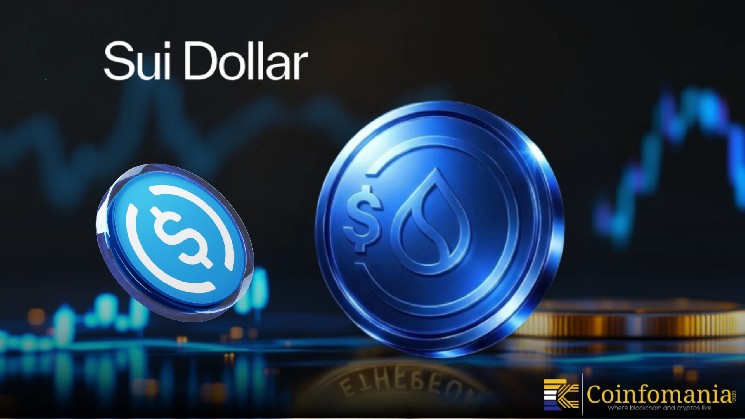
The efficiency of these primitives directly impacts market performance and user experience. By minimizing contention and maximizing throughput, Sui supports high-frequency DeFi interactions that are essential for modern liquidity markets. The following chart illustrates the recent volatility and trading volume of the SUI token, reflecting the market’s response to these technical advancements and the growing adoption of Sui DeFi 2026 ecosystems.
Structuring yield strategies with Move
Use this section to make the Sui DeFi decision easier to compare in real life, not just on paper. Start with the reader's actual constraint, then separate must-have requirements from details that are merely nice to have. A practical choice should survive normal use, maintenance, timing, and budget. If a recommendation only works in an ideal situation, call that out plainly and give the reader a fallback path.
| Factor | What to check | Why it matters |
|---|---|---|
| Fit | Match the option to the primary use case. | A good deal still fails if it does not fit the job. |
| Condition | Verify age, wear, and service history. | Hidden condition issues erase upfront savings. |
| Cost | Compare purchase price with likely upkeep. | The cheapest option is not always the lowest-cost option. |
Common pitfalls in Sui DeFi
Use this section to make the Sui DeFi decision easier to compare in real life, not just on paper. Start with the reader's actual constraint, then separate must-have requirements from details that are merely nice to have. A practical choice should survive normal use, maintenance, timing, and budget. If a recommendation only works in an ideal situation, call that out plainly and give the reader a fallback path.
The simplest way to use this section is to write down the must-have criteria first, then compare each option against those criteria before weighing nice-to-have features.
Checklist for safe Sui DeFi participation
Before deploying capital into the Sui DeFi 2026 ecosystem, you must treat every protocol interaction as a potential point of failure. The Move language offers safety, but it does not shield users from smart contract logic errors, liquidity traps, or governance risks. This checklist provides a rigorous verification framework to protect your assets.
Only engage with protocols that have undergone formal verification by reputable security firms. Sui’s Move-based architecture requires specialized audits that differ from EVM standards. Look for published audit reports that explicitly address the Move codebase, not just generic smart contract reviews.
Analyze the Total Value Locked (TVL) and daily trading volume. A protocol with high TVL but low volume is a liquidity trap. Ensure the pools have sufficient depth to handle your position size without catastrophic slippage, especially during market volatility.

Check the SUI tokenomics and specific protocol token schedules. As of mid-2026, significant token unlocks can pressure prices and dilute value. Avoid protocols that are heavily reliant on inflationary rewards that are about to be diluted by large vesting releases.
Execute a small test transaction to verify gas costs, transaction speed, and interface reliability. Sui’s parallel execution is fast, but UI bugs or wallet connectivity issues can still lead to failed transactions or lost funds. Confirm the interface behaves as expected before committing significant capital.
Always cross-reference protocol claims with on-chain data. If a platform promises returns that defy basic economic logic, it is likely a scam. Use the Sui Explorer to verify contract addresses and transaction histories directly. Never trust a link from an unverified source.
SUI price targets and ecosystem outlook
Market expectations for Sui DeFi 2026 hinge on the convergence of network adoption and broader macroeconomic liquidity. Current analysis suggests that reaching the $5 psychological barrier is plausible if the ecosystem sustains its current growth trajectory in decentralized finance and absorbs upcoming token unlock pressures. However, this target remains contingent on genuine utility rather than speculative momentum alone.
The structural foundation of Sui DeFi relies on the Move programming language’s ability to handle high throughput with low latency. As institutional interest potentially rises, the network’s capacity to support complex financial instruments without congestion becomes a primary value driver. Without strong adoption and consistent buying momentum, such price appreciation appears less likely, regardless of technical upgrades.
Frequently asked questions about Sui DeFi
Investors analyzing Sui DeFi 2026 often look to historical price action and ecosystem metrics to gauge potential upside. While the Move programming language offers technical advantages, market performance remains tied to broader macroeconomic cycles and on-chain adoption rates.
No comments yet. Be the first to share your thoughts!