

Why Sui primitives change yield math
Most legacy layer-1 blockchains treat data as static records. Sui treats data as objects. This shift is not merely semantic; it is structural. By moving from an account-based model to an object-centric Move architecture, Sui changes how capital moves through decentralized finance. The result is a yield environment defined by speed, parallel execution, and composability that legacy networks cannot match.
On Ethereum and its layer-2s, transactions often execute sequentially. When congestion hits, yield strategies suffer. Gas fees spike, and complex multi-step interactions become prohibitively expensive. Sui processes thousands of transactions in parallel because objects are independent. If two users are trading different assets, the network does not need to wait for one to finish before starting the other. This parallelism means yield strategies can scale without the congestion fees that hurt other networks.
This architectural advantage directly impacts capital efficiency. In traditional DeFi, locking capital in a single protocol often requires waiting for the entire network to clear its block space. On Sui, the object model allows for finer-grained state management. Developers can build primitives that interact with multiple assets simultaneously, reducing the friction between yield generation and capital deployment.
The five primitives powering 2026 yield strategies are not just new features; they are the direct result of this object-centric design. They allow for yield optimization that is faster, cheaper, and more flexible than what is possible on legacy chains. Understanding these primitives is essential for any strategy aiming to maximize returns in the current market.
5 Sui DeFi Primitives Powering 2026 Yield Strategies
The 2026 yield landscape on Sui is defined by specific Move-based primitives that optimize capital efficiency through native composability. This section details the five core mechanisms enabling these strategies, focusing on their technical utility rather than speculative trends.
-

DeepBook shared liquidity pools
DeepBook functions as the central nervous system for Sui’s decentralized exchange landscape, aggregating fragmented liquidity into shared order books. By utilizing a tiered liquidity model, it allows market makers to provide capital across multiple price tiers, significantly reducing slippage for large trades. This architecture transforms isolated pools into a unified depth map, ensuring that yield strategies relying on precise entry and exit points benefit from institutional-grade market efficiency and tighter spreads. -
Programmable transaction blocks
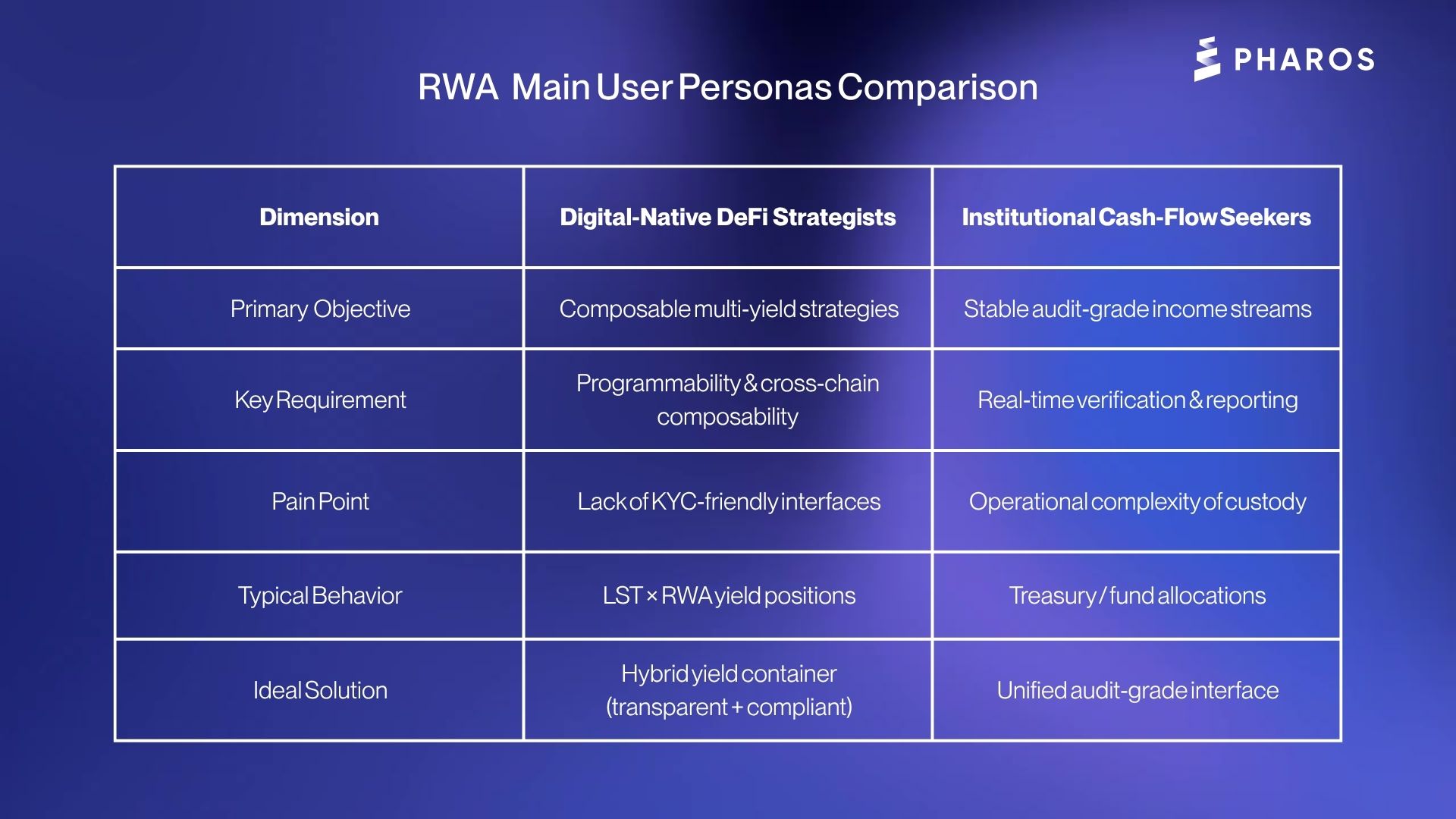
Programmable Transaction Blocks (PTBs) act as atomic Swiss Army knives, enabling developers to bundle complex financial operations into a single, indivisible unit. This capability allows yield aggregators to execute multi-step strategies—such as swapping, depositing, and claiming rewards—in one transaction, eliminating intermediate state risks. For 2026 strategies, PTBs ensure that capital remains locked in efficient motion, reducing exposure to front-running and ensuring that yield calculations reflect exact, simultaneous market conditions rather than sequential approximations. -
Object-based lending assets
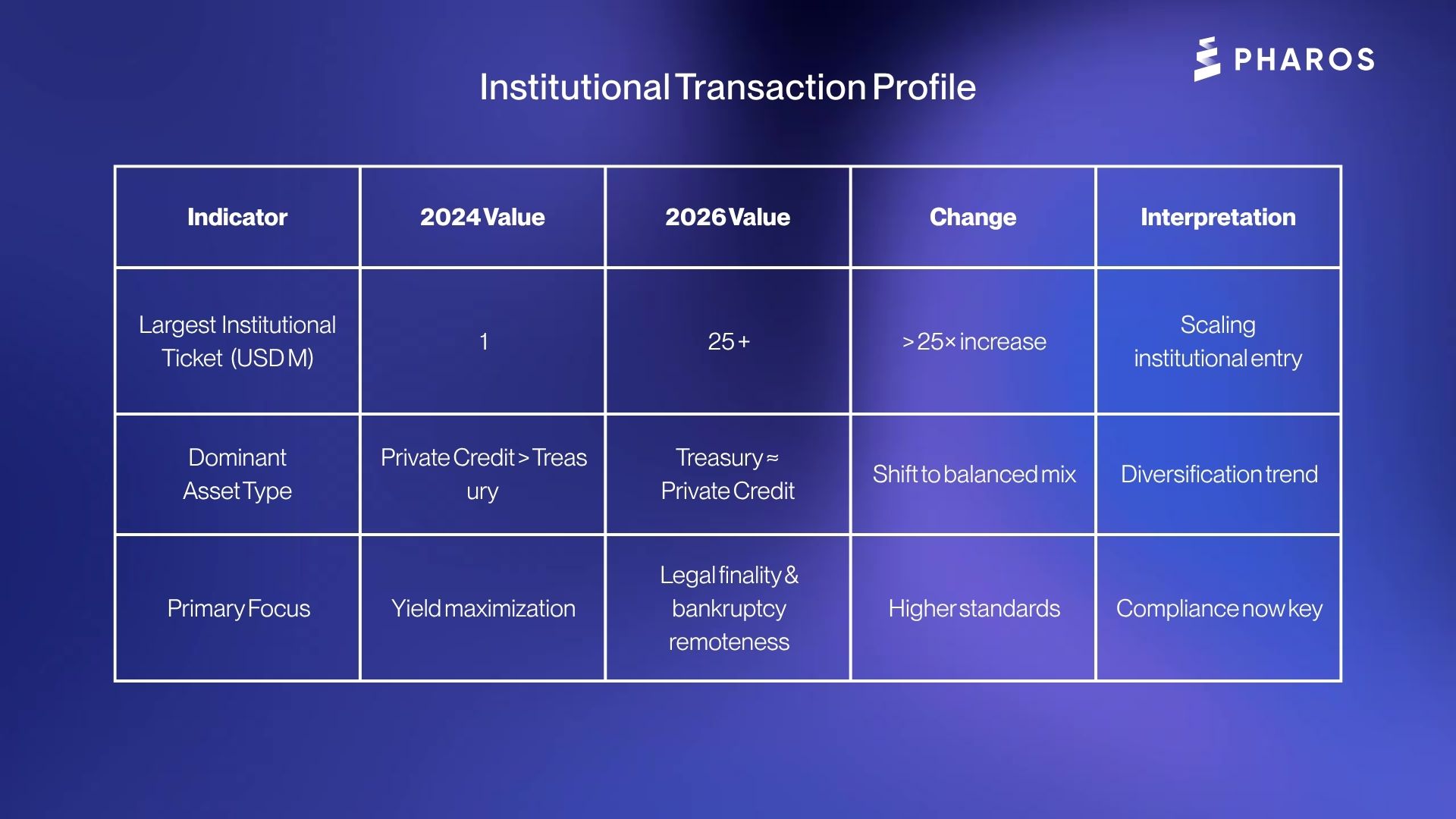
Sui’s object-centric data model redefines collateral by treating each asset as a unique, programmable entity with distinct properties. This granularity allows lending protocols to assign dynamic risk weights based on an asset’s specific metadata and history, rather than generic token categories. For yield strategies, this means lenders can offer competitive rates on specialized collateral types, while borrowers gain access to tailored loan terms that reflect the true, nuanced value of their digital holdings within the broader DeFi ecosystem. -
zkLogin identity integration
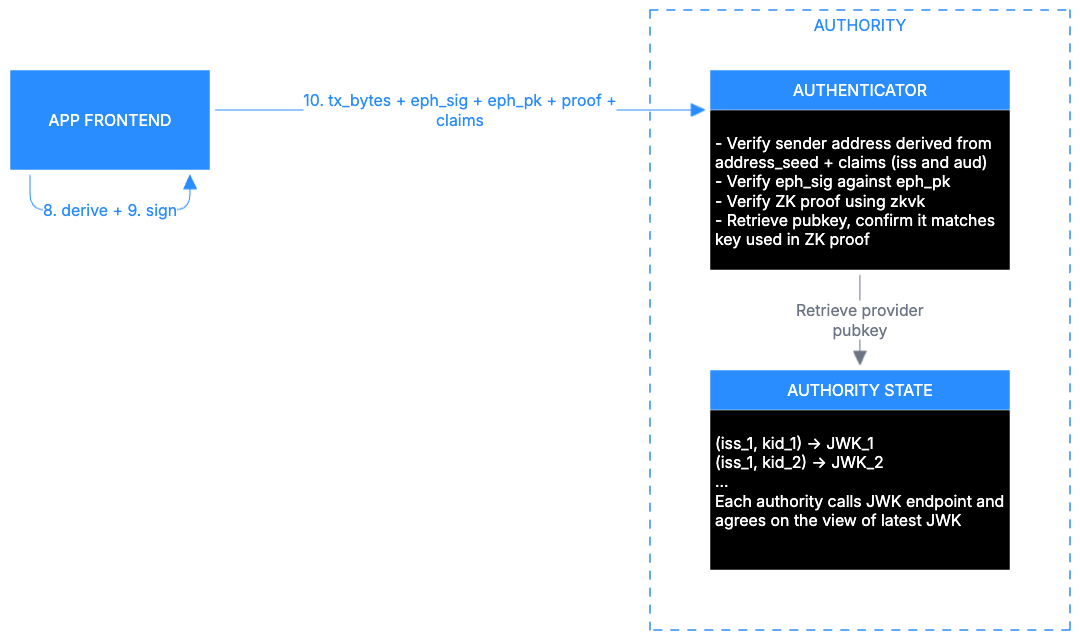
zkLogin bridges the gap between Web2 convenience and Web3 security by allowing users to authenticate via OAuth providers without exposing private keys. This seamless onboarding lowers the barrier to entry for yield farming, enabling mass adoption by retail users who previously struggled with complex wallet management. By integrating zero-knowledge proofs, Sui ensures that user identity verification occurs off-chain or with minimal on-chain footprint, preserving privacy while maintaining the trustless guarantees required for secure financial interactions. -
Sponsored transaction layers
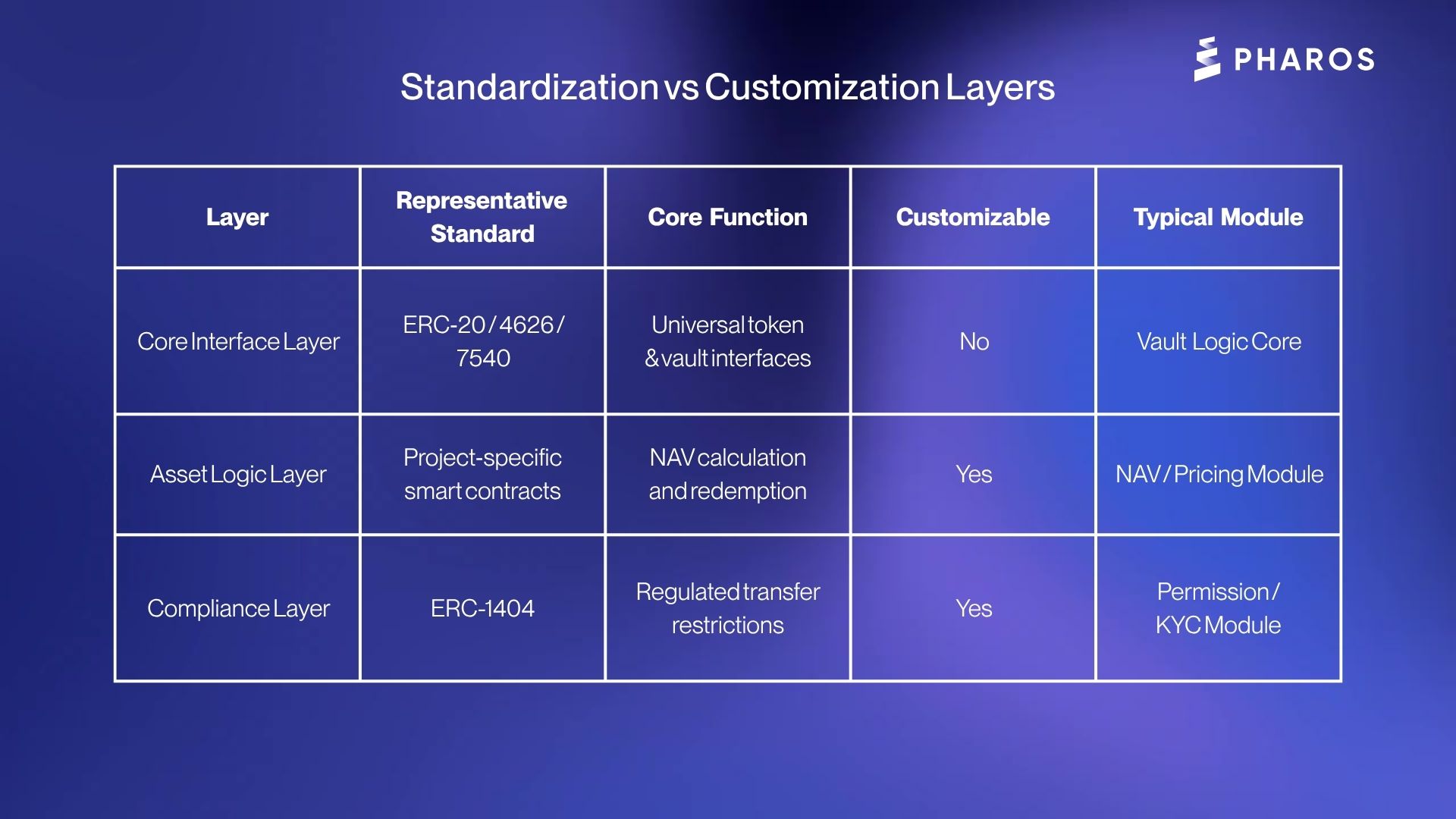
Sponsored transaction layers, often referred to as gas abstraction, remove the friction of holding native tokens for gas fees, allowing dApps to pay for user interactions on their behalf. This feature is critical for yield strategies targeting casual investors, as it eliminates the need to acquire and manage SUI tokens solely for transaction costs. By decoupling usage from payment, platforms can offer seamless experiences where users focus entirely on yield generation, while the protocol handles the underlying settlement mechanics invisibly in the background.
Assembling your 2026 Sui strategy
Building a resilient yield strategy on Sui requires moving beyond isolated token deployments. The five primitives discussed—Object-centric ownership, Shared Objects, DeepBook, Sui Move’s type system, and the Sui Network’s consensus layer—function as interlocking components. A robust 2026 approach treats these as a unified stack rather than separate features. This section provides a checklist to evaluate how well a protocol leverages these primitives for risk-adjusted returns.
Protocol Audit Checklist
Before committing capital, verify that the protocol utilizes Sui’s unique architectural advantages:
- Object-Centric Flexibility: Does the protocol allow for atomic composability? Verify if the yield-bearing tokens are standard Sui Objects, enabling instant transfer or collateralization without wrapping.
- Shared Object Efficiency: For high-frequency trading or lending markets, check if the protocol uses Shared Objects for order books or liquidity pools. This reduces transaction costs and increases throughput.
- DeepBook Integration: If the protocol involves trading, confirm it leverages DeepBook’s Spot or Margin primitives for deep, shared liquidity rather than fragmented isolated pools.
- Type Safety: Ensure the smart contracts rely on Sui Move’s strong typing. This minimizes the risk of reentrancy attacks and logic errors common in EVM-based chains.
- Consensus Reliability: Evaluate the protocol’s dependency on Sui’s synchronous consensus. Fast finality is critical for strategies that require rapid rebalancing or liquidation.
Security Hardware
Securing your Sui assets is the final step in the strategy. Hardware wallets provide an offline storage solution that protects private keys from malware and phishing attacks. Look for devices that explicitly support the Sui blockchain and Sui Move tokens.
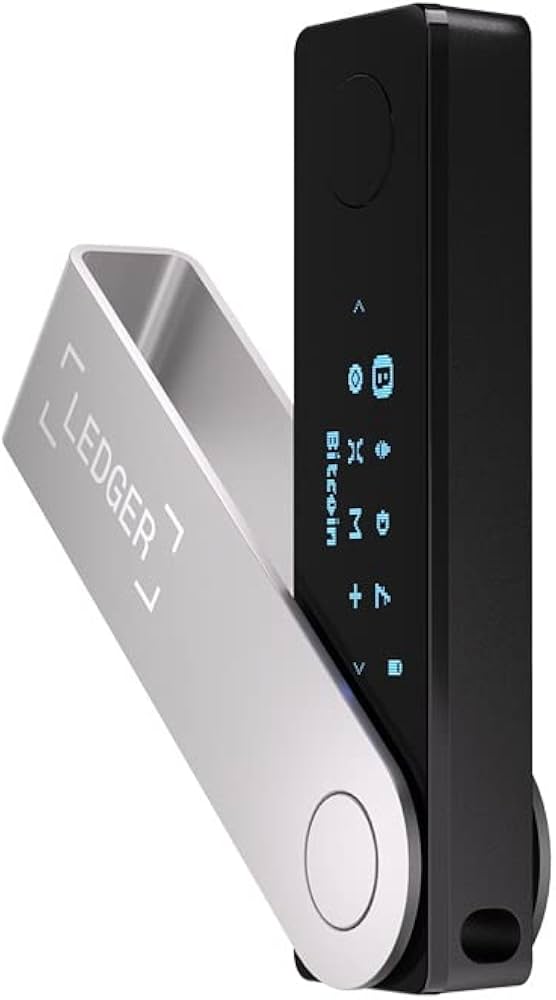


As an Amazon Associate, we may earn from qualifying purchases.
Frequently Asked Questions
By systematically auditing protocols against these criteria, you can construct a strategy that fully exploits Sui’s technical capabilities. The goal is not just to chase high APYs, but to build a sustainable, secure, and efficient position in the 2026 Sui ecosystem.
No comments yet. Be the first to share your thoughts!